Tartan Plaid Seamless Patterns: A Comprehensive Evaluation for Digital Creators
In the realm of digital design, texture and pattern play pivotal roles in establishing visual identity. Among the vast array of available assets, Tartan Plaid Seamless Patterns have maintained enduring popularity due to their versatility, cultural resonance, and aesthetic appeal. For designers, crafters, and small business owners, selecting the right digital asset is a critical step in the creative workflow. This evaluation explores the specific characteristics of high-quality tartan plaid seamless patterns, analyzing their technical specifications, practical applications, and the considerations necessary to determine if they align with your project goals.
Understanding Tartan Plaid Seamless Patterns
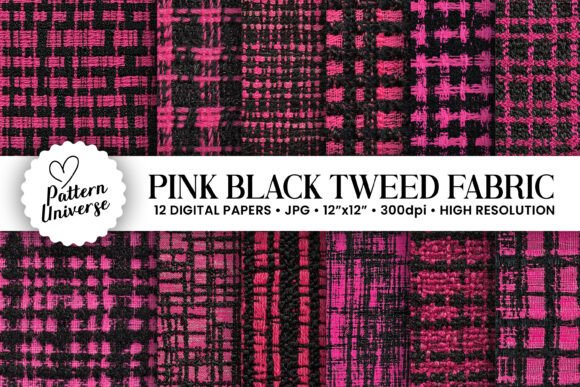
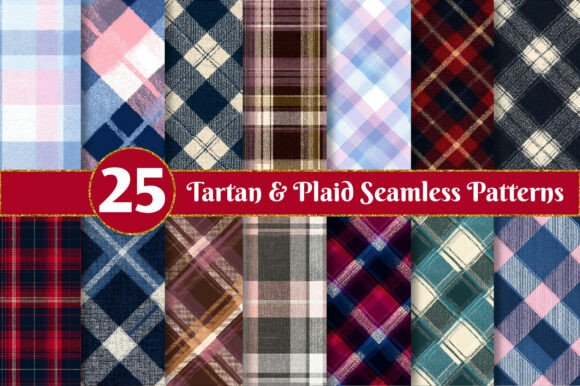
Tartan plaid refers to a distinctive pattern consisting of crisscrossed horizontal and vertical bands in multiple colors, traditionally associated with Scottish clans but now ubiquitous in global fashion and interior design. When these patterns are digitized as "seamless" files, they are engineered to tile infinitely without visible seams or breaks. This technical feature allows the pattern to cover large areas—such as fabric rolls, website backgrounds, or packaging materials—while maintaining visual continuity.
The specific asset described here consists of 25 individual PNG files. Each file represents a unique variation of the tartan plaid theme, offering a diverse palette and structural variation within a single purchase. The emphasis on transparency and high resolution indicates that these files are designed for layering and integration into complex designs rather than serving as standalone images.
Technical Specifications and Workflow Compatibility
Evaluating a digital product requires a close look at its technical parameters, as these dictate how the asset can be used across different software environments. The provided specifications highlight several key advantages for professional workflows.
- PNG Format with Transparent Background: The use of Portable Network Graphics (PNG) ensures lossless compression, preserving image quality during editing. Crucially, the transparent background allows designers to overlay the plaid pattern onto other elements, such as text boxes, product mockups, or layered compositions, without dealing with unsightly white borders.
- High Resolution (300 DPI): Dots Per Inch (DPI) is a measure of print resolution. A standard of 300 DPI is the industry benchmark for high-quality printing. This means the files are suitable for both digital displays and physical production, including sublimation printing, where color fidelity and sharpness are paramount.
- Generous Dimensions (12×12 Inches): At 12 by 12 inches, each pattern offers ample surface area for detailed work. This size is particularly advantageous for scrapbooking, card making, and creating large-format prints, reducing the need for excessive upscaling which can degrade image quality.
- Scalability: Because these are raster images provided at a high resolution, they can be resized using various software tools. However, it is important to note that while they can be scaled down easily, scaling them significantly beyond their original dimensions may result in pixelation unless vector-based alternatives are used.
Practical Applications and Use Cases
The versatility of tartan plaid seamless patterns makes them suitable for a wide range of creative industries. Understanding where these assets fit best helps potential buyers assess their value proposition.
Textile and Apparel Design
One of the most common applications for seamless patterns is textile design. The 300 DPI resolution makes these files ideal for direct-to-garment (DTG) printing and sublimation processes. Designers creating T-shirts, pillows, bags, and scarves can utilize these patterns to create cohesive collections. The ability to seamlessly repeat the pattern ensures that the design looks professional whether applied to a small pocket or an entire garment.
Stationery and Paper Crafts
For hobbyists and small businesses focused on paper goods, these patterns are highly effective. They can be used to create greeting cards, frame artwork, and scrapbook pages. The 12x12 inch size aligns perfectly with standard scrapbooking paper dimensions, allowing for easy cutting and layout. Additionally, the transparent background facilitates the creation of mixed-media designs, where the plaid serves as a textured backdrop for photos or typography.
Branding and Packaging
Seasonal branding often relies on traditional motifs. Tartan plaid is strongly associated with autumn, winter holidays, and heritage-themed marketing campaigns. Businesses looking to create stickers, mugs, or branded packaging can leverage these patterns to evoke feelings of warmth, tradition, and comfort. The high resolution ensures that logos and text placed over the pattern remain legible and crisp.
Tradeoffs and Considerations
While the benefits are clear, prospective users should consider certain limitations inherent to this type of digital asset.
Digital-Only Nature: It is essential to understand that this is a digital file delivery. No physical products will be shipped. Buyers must have access to appropriate hardware (printers, cutting machines) or software (Adobe Photoshop, Illustrator, Canva) to utilize the files effectively. For those unfamiliar with digital design tools, there may be a learning curve involved in importing and manipulating PNG files.
Raster vs. Vector Limitations: Although the files are high-resolution, they are still raster images (pixels). If a designer needs to scale a pattern to the size of a billboard or a vehicle wrap, a raster file—even at 300 DPI—may not suffice without significant quality loss. In such cases, vector formats (like SVG or AI) would be more appropriate. Users requiring extreme scalability should verify if vector versions are available separately.
Licensing and Commercial Use: While the prompt mentions usage for various projects, it does not explicitly detail the licensing terms. Buyers must carefully review the license agreement to determine if the patterns can be used for commercial resale items (e.g., selling printed T-shirts) or if they are restricted to personal use only. Misunderstanding licensing can lead to legal complications.
Decision-Making Insights
To determine if Tartan Plaid Seamless Patterns are the right choice, consider the following decision matrix:
- Do you need print-ready quality? If your project involves physical production like sublimation or high-end printing, the 300 DPI specification makes this a strong candidate.
- Is flexibility required? The transparent background and PNG format offer significant flexibility for layering and compositing in graphic design software.
- Are you working within standard sizes? The 12x12 inch dimension is excellent for standard craft sizes. If you need larger-than-life seamless tiles for web backgrounds, you may need to stitch multiple images together.
- Do you need variety? With 25 distinct patterns, this bundle provides enough variety to maintain visual interest across a collection of products without needing to source multiple disparate packs.
Alternatives Worth Considering
If tartan plaid does not align with your brand identity, or if the technical specifications do not meet your needs, several alternatives exist. For projects requiring infinite scalability without quality loss, vector plaid patterns (SVG/AI) are superior. For more modern or abstract aesthetics, consider geometric seamless patterns or watercolor textures. Additionally, if you require dynamic, animated backgrounds for web design, video loops or CSS-generated patterns might be more effective than static PNGs.
Conclusion
Tartan Plaid Seamless Patterns represent a robust resource for creators seeking traditional, high-quality textures. The combination of high resolution, transparent backgrounds, and generous sizing makes them particularly well-suited for print-on-demand businesses, scrapbookers, and graphic designers. By understanding the technical capabilities and limitations, users can make informed decisions that enhance their creative output. Whether used for seasonal apparel, elegant stationery, or cozy home decor accessories, these patterns offer a reliable foundation for professional-grade design projects.