The Art of Organic Abstract Watercolor: Elevating Design with Hand-Painted Seamless Patterns
In an era where digital design often feels sterile and overly polished, there is a growing desire for textures that feel human, tactile, and alive. This is where the organic abstract watercolor pattern shines. It bridges the gap between traditional fine art and modern commercial design, offering a unique aesthetic that resonates with consumers seeking authenticity and elegance. Whether you are a graphic designer looking to add depth to a brand identity or a hobbyist creating custom stationery, understanding the power of hand-painted, seamless watercolor textures can transform your creative output.
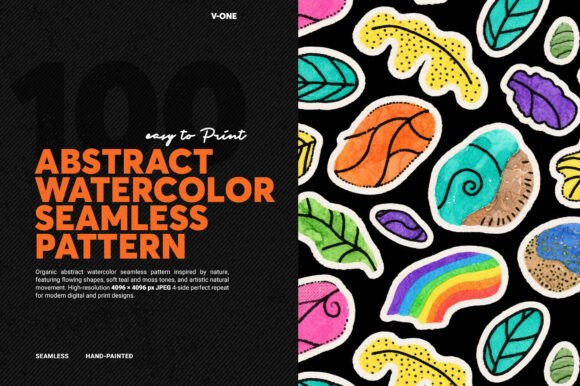
This article explores the nuances of organic abstract watercolor patterns, specifically focusing on those featuring soft teal, moss green, blue, and clay hues. We will delve into why this style is so prevalent in contemporary design, how its technical features like seamless tiling work, and practical ways to apply these beautiful assets to your projects.
Understanding the Aesthetic: What Makes It "Organic"?
To truly appreciate organic abstract watercolor patterns, one must first understand what distinguishes them from geometric or rigid digital designs. The term "organic" refers to forms found in nature—curves, flowing lines, irregular shapes, and earthy tones. Unlike vector graphics that rely on sharp angles and perfect symmetry, organic art mimics the unpredictability of the natural world.
Key Visual Elements
- Flowing Shapes: These patterns utilize fluid, non-linear movements that guide the eye across the surface. They often resemble wind currents, water ripples, or the growth patterns of plants.
- Nature-Inspired Details: Look closely at high-quality organic patterns, and you will often find subtle hints of leaf-like strokes, stone-wash textures, or mineral deposits. These details add layers of complexity without overwhelming the viewer.
- Soft Color Palettes: The specific combination of soft teal, moss green, blue, and clay hues creates a calming, grounded atmosphere. Teal brings a sense of tranquility, moss green connects to the earth, blue offers stability, and clay adds warmth and rustic charm. Together, they create a balanced composition that feels both modern and timeless.
This aesthetic is particularly effective because it triggers a psychological response known as biophilia—the innate human tendency to seek connections with nature. In design, using these colors and textures can reduce stress and create a welcoming environment, making them ideal for wellness brands, eco-friendly products, and home decor.
The Technical Magic: Seamless Tiling and Repeating Tiles
One of the most significant advantages of professional-grade watercolor patterns is their technical construction. A common misconception among beginners is that any repeating image makes a good pattern. However, poor execution leads to visible seams, awkward breaks, and a disjointed appearance.
What is a 4-Side Seamless Repeat?
A perfect 4-side seamless repeat means that the top edge aligns flawlessly with the bottom edge, and the left edge aligns perfectly with the right edge. When tiled, the artwork continues infinitely without any visible grid lines or interruptions. This is achieved through advanced editing techniques where elements that exit one side of the canvas re-enter on the opposite side, ensuring continuity.
Why Does This Matter?
- Scalability: Because the tile repeats seamlessly, it can be scaled up to cover massive surfaces like wallpaper or fabric bolts without losing quality or creating awkward gaps.
- Consistency: For manufacturers producing textiles or packaging, consistency is key. A flawless seamless pattern ensures that every yard of fabric or box of product looks identical, maintaining brand integrity.
- Versatility: Whether you need a background for a website header or a full-wrap print for a coffee cup, a high-resolution seamless asset adapts beautifully to any size or surface.
Practical Applications in Modern Design
The versatility of organic abstract watercolor patterns makes them a staple in various industries. Their ability to blend elegance with naturalism allows them to fit into diverse contexts, from luxury branding to everyday stationery.
Textile and Apparel Design
Fabric printing is perhaps the most prominent use case for these patterns. The soft, fluid artistry of watercolor translates exceptionally well to cotton, silk, and linen. Designers use these motifs to create:
- Scarves and Shawls: The flowing shapes mimic the drape and movement of the fabric itself.
- Home Textiles: Cushion covers, throw blankets, and curtains benefit from the cozy, earthy vibe of moss green and clay tones.
- Sustainable Fashion: As the fashion industry moves toward eco-conscious materials, organic patterns complement recycled fabrics and natural dyes perfectly.
Packaging and Product Wraps
In retail, packaging is the first point of contact between the product and the consumer. An organic watercolor pattern can instantly communicate values such as purity, sustainability, and craftsmanship. Imagine a box of artisanal tea wrapped in paper featuring subtle stone-wash textures and leaf-like strokes—it tells a story before the box is even opened. This aesthetic is also popular for:
- Cosmetic pouches and bottles
- Gift wrapping paper
- Food packaging for organic or farm-to-table products
Stationery and Paper Goods
Despite the rise of digital communication, the tactile experience of paper remains highly valued. High-resolution watercolor patterns add a touch of sophistication to:
- Notebooks and Journals: The gentle swirls provide a calming backdrop for writing.
- Greeting Cards: Suitable for weddings, birthdays, or thank-you notes, the soft teal and blue hues convey empathy and grace.
- Business Cards: For creatives in fields like interior design or counseling, a subtle organic pattern on the back of a card reinforces a professional yet approachable image.
Digital Backgrounds and UI Design
Beyond physical goods, these patterns are increasingly used in digital spaces. Web designers often use low-opacity versions of watercolor textures as backgrounds to add depth without distracting from the main content. Mobile app interfaces for meditation, health, or lifestyle apps frequently employ these soothing color palettes to enhance user experience and promote relaxation.
How to Use Organic Patterns Effectively
While organic abstract watercolor patterns are versatile, using them effectively requires a thoughtful approach. Here are some tips to ensure your designs remain balanced and professional.
- Maintain Balance: The strength of these patterns lies in their balanced composition. Avoid cluttering the design with too many other elements. Let the pattern speak for itself, especially if it is the primary focus.
- Consider Contrast: When placing text over a watercolor background, ensure sufficient contrast. Lighter areas of the pattern (like the white space in watercolor washes) are best for text legibility, while darker areas (deep teal or moss green) work well for borders or accents.
- Respect the Resolution: Always use high-resolution artwork. Since these patterns rely on subtle textures and gradients, pixelation will ruin the illusion of hand-painted art. Ensure your files are optimized for crisp, clean printing.
- Match the Mood: Align the pattern’s energy with your project’s goal. If you want a vibrant, energetic look, lean towards brighter blues and teals. For a more subdued, rustic feel, emphasize the clay and moss green tones.
Conclusion: Embracing the Beauty of Imperfection
In a world dominated by pixels and precision, organic abstract watercolor patterns offer a refreshing return to imperfection and humanity. They remind us that beauty often lies in the unexpected—the bleed of ink, the variation in color, and the flow of natural forms. By leveraging the technical benefits of seamless tiling and the emotional resonance of earthy, nature-inspired aesthetics, designers can create works that are not only visually stunning but also deeply meaningful.
Whether you are designing a sustainable clothing line, crafting elegant wedding invitations, or building a serene digital interface, incorporating hand-painted watercolor textures can elevate your work. It is a testament to the enduring appeal of art that feels alive, adaptable, and inherently connected to the world around us. As you explore these assets, remember that the goal is not just to decorate, but to evoke feeling—to bring a touch of the natural world into every corner of your creative vision.