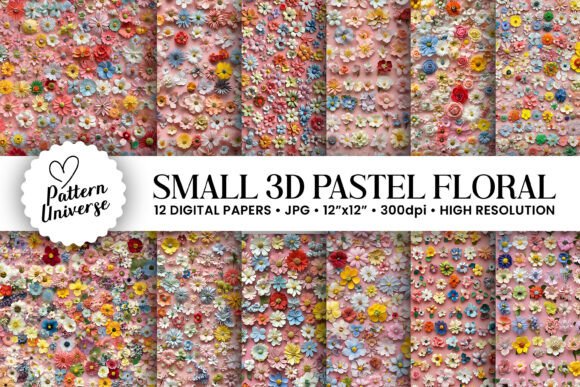
3d Small Pastel Floral Patterns
In the realm of digital design and crafting, visual aesthetics play a pivotal role in determining the success of a project. Among the myriad of styles available, 3d Small Pastel Floral Patterns have emerged as a versatile and popular choice for designers, scrapbookers, and craft enthusiasts. These patterns combine the soft, calming hues of pastel colors with the tactile depth of three-dimensional rendering, creating images that are both visually engaging and emotionally soothing. This article provides an objective evaluation of this specific digital asset category, helping users determine if it aligns with their creative goals.
Understanding the Aesthetic: What Are 3d Small Pastel Floral Patterns?
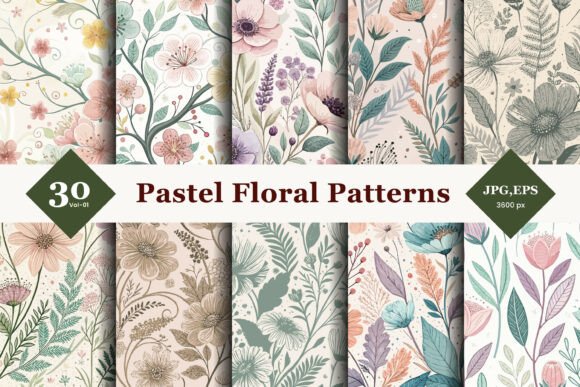
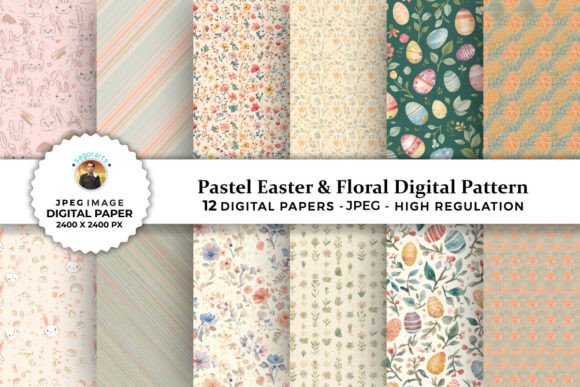
To evaluate these patterns effectively, one must first understand their composition. Unlike flat vector illustrations or traditional watercolor scans, 3d small pastel floral patterns utilize rendering techniques to simulate depth, lighting, and texture. The "small" descriptor indicates a scale where individual flowers, leaves, or botanical elements are delicate and intricate, rather than large, overpowering blooms. The "pastel" aspect refers to a color palette characterized by low saturation and high brightness—think soft pinks, mint greens, lavender, baby blues, and creamy yellows.
The result is a design language that feels modern yet nostalgic. It bridges the gap between contemporary minimalism and romantic vintage styles. For users researching digital papers, recognizing this distinction is crucial because the visual weight of 3D elements interacts differently with other design components compared to 2D graphics.
Key Features and Technical Specifications
When evaluating a product like the described set of 12 digital papers, technical specifications are just as important as artistic style. High-quality digital assets typically adhere to industry standards to ensure versatility across various mediums.
- Resolution: Files at 300dpi (dots per inch) are the gold standard for print projects. This resolution ensures that when the image is printed, it remains sharp and free from pixelation, which is critical for items like greeting cards and wall art.
- Dimensions: A size of 3600 x 3600 pixels (or 12″ x 12″) is the standard square format used in scrapbooking and many digital design templates. This dimension allows for easy cropping and scaling without losing significant quality.
- Quantity: A collection of 12 distinct patterns within a single zip file offers variety. This allows creators to mix and match backgrounds, ensuring that a final project does not appear monotonous.
Prospective buyers should verify these specs before purchase. Lower resolution files may be suitable for web use but will fail in professional printing contexts. Conversely, excessively large files might slow down editing software on older hardware.
Ideal Use Cases and Applications
The versatility of 3d small pastel floral patterns makes them suitable for a wide array of applications. Understanding these use cases helps readers decide if the asset fits their current workflow.
Physical Craft Projects
For hobbyists engaged in physical crafting, these patterns excel in:
- Greeting Cards and Invitations: The delicate nature of small florals adds elegance to wedding invitations, baby shower announcements, and birthday cards. The 3D effect can make the card feel more premium when printed on textured paper.
- Junk Journals and Scrapbooks: As background layers, these patterns provide a non-distracting base that allows photos and journaling to stand out. The pastel tones harmonize well with a wide range of photo color palettes.
- Scrapbook Layouts: The 12x12 inch format is native to scrapbooking, allowing for direct printing and cutting.
Digital and Merchandise Design
Beyond paper crafts, these assets are highly functional for:
- Tumbler Wraps: When designing sublimation wraps for tumblers, seamless repeating patterns are often required. While the provided description mentions a 12x12 square, these can often be tiled or cropped to fit cylindrical surfaces, provided the edges are handled correctly.
- Wall Art: Large prints of these patterns can serve as minimalist decor. The 3D detail holds up well even when scaled up, adding visual interest to blank walls.
- Digital Planning: In apps like GoodNotes or Notability, these patterns can serve as page backgrounds for digital planners, offering a soft aesthetic that reduces eye strain.
Evaluating Benefits and Tradeoffs
No design asset is perfect for every situation. An objective analysis requires looking at both the advantages and potential limitations.
Benefits
Versatility: The neutral yet charming nature of pastels means they pair well with almost any accent color, whether bold or muted.
Depth and Interest: Compared to flat colors, 3D renders add a layer of sophistication. They catch the light in a way that mimics real objects, making digital designs look more tangible.
Emotional Appeal: Pastel colors are psychologically associated with calmness, spring, and gentleness. This makes them ideal for products targeting audiences seeking relaxation or celebration.
Tradeoffs and Considerations
Print Cost: Full-bleed printing on large formats using high-resolution 3D files can be expensive due to ink usage, especially if the design has dark or saturated areas (though pastels generally use less ink).
Clutter Risk: If the "small" floral elements are too dense, the pattern can become busy. Users need to consider how much white space or negative space is present in the design. Overly complex backgrounds can compete with text or focal points.
AI Generation Variability: Since the prompt mentions "Ai Generated," users should be aware that AI-generated textures can sometimes produce inconsistent lighting or unnatural leaf structures upon close inspection. Reviewing the sample images closely is essential to ensure the quality meets professional standards.
Decision-Making Framework: Is This Right for You?
To determine if purchasing or using 3d small pastel floral patterns is the right choice, consider the following questions:
- What is your primary output medium? If you are primarily designing for social media screens, lower resolution might suffice, saving storage space. However, if you sell physical products like wrapped tumblers or printed cards, the 300dpi specification is non-negotiable.
- Do you need seamless repeats? Check if the 12 patterns include seamless tiling capabilities. If you are making tumbler wraps, you need a pattern that repeats invisibly. If the files are just static squares, you will need additional skills in Photoshop or similar software to create a wrapable seam.
- Does your brand palette match? While pastels are versatile, ensure the specific shades (e.g., pink vs. blue dominance) align with your brand identity or project theme.
- Are you comfortable with AI aesthetics? Some clients prefer hand-drawn authenticity. If your audience values organic imperfection, AI-generated perfection might feel too sterile. Evaluate the texture quality to see if it meets your stylistic needs.
Alternatives to Consider
If 3d small pastel floral patterns do not fully meet your needs, consider these alternatives:
- Hand-Painted Watercolors: For a more organic, unique feel, scanned watercolor textures offer irregularity that AI cannot perfectly replicate. They are excellent for artisanal brands.
- Minimalist Line Art: If the 3D patterns feel too heavy or detailed, black-and-white line art florals provide a cleaner, more modern look that works well with bold typography.
- Vector Flat Designs: If you need infinite scalability for large banners without pixelation concerns, vector-based flat floral designs are more manageable and easier to edit color-wise.
Conclusion
The 3d Small Pastel Floral Patterns digital pack represents a solid option for creatives looking to add soft, dimensional texture to their projects. With a standard 12x12 inch, 300dpi resolution, it covers the technical requirements for most print-on-demand and personal craft projects. The inclusion of 12 variations provides ample choice for mixing layouts.
However, success depends on proper application. Users should carefully review the visual density of the patterns and ensure the AI-generated details meet their quality standards. By weighing the benefits of aesthetic appeal against the practical considerations of print costs and design clutter, creators can make an informed decision. Whether used for junk journals, elegant invitations, or commercial merchandise, these patterns offer a reliable foundation for projects requiring a touch of gentle, modern charm.