Vintage Pink White Peony Floral Patterns
In the world of digital design and crafting, finding assets that bridge the gap between nostalgic charm and modern utility is a constant pursuit. The Vintage Pink White Peony Floral Patterns collection offers exactly that balance. It is not merely a set of images; it is a cohesive visual language built around the timeless elegance of peonies, rendered in a soft, romantic palette that appeals to a wide range of creative professionals. Whether you are a small business owner looking to elevate your brand identity or a hobbyist creating personalized gifts, this collection provides the foundational texture needed to make projects feel polished and intentional.
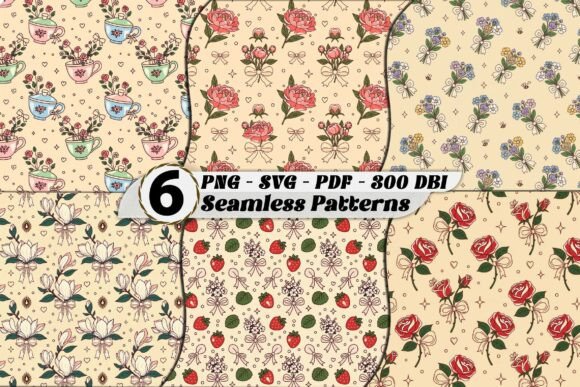
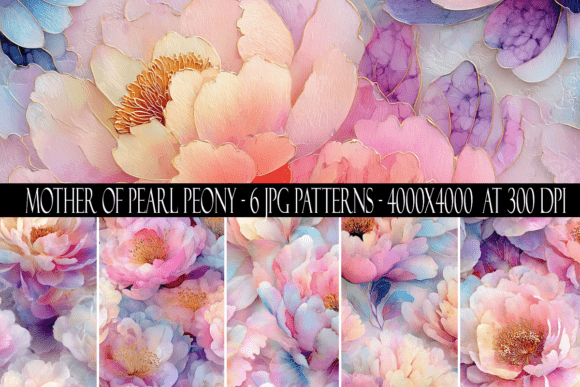
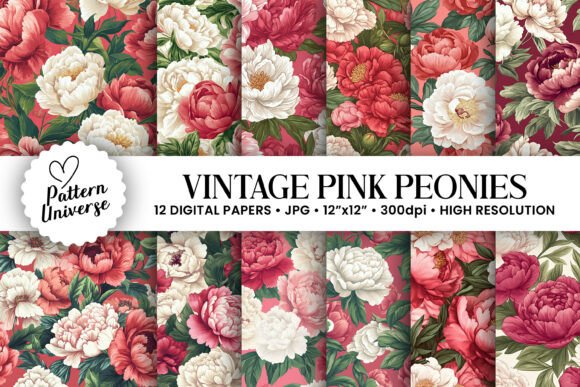
The visual characteristics of these patterns are defined by their delicate interplay of color and form. The primary hues—a gentle blush pink paired with crisp white—create a sense of lightness and airiness. This is not a bold, aggressive design; rather, it is subtle and sophisticated. The peony motifs, often associated with prosperity, romance, and refined beauty, are arranged in seamless layouts that allow for infinite repetition without visible breaks. This seamless quality is crucial for designers who need to cover large areas, such as backgrounds for websites, full-page prints for packaging, or continuous wraps for physical products like tumblers. The overall appeal lies in its versatility: it feels both classic enough for traditional wedding stationery and fresh enough for contemporary social media graphics.
Visual Identity and Design Personality
Understanding the personality of a design asset is just as important as its technical specifications. The Vintage Pink White Peony Floral Patterns exude a sense of calm sophistication. They avoid the cluttered, chaotic energy of some busy floral prints, opting instead for a structured yet organic flow. This makes them particularly effective in editorial design, where readability and aesthetic harmony must coexist. When used as a background, these patterns do not compete with foreground content; they support it. They provide a textured backdrop that adds depth without overwhelming the viewer’s eye.
The style leans heavily into the "cottagecore" and "romantic minimalism" aesthetics that have gained significant traction in recent years. However, because the patterns are generated with high precision, they maintain a level of consistency that can sometimes be lacking in hand-drawn alternatives. For brands aiming to project an image of approachable luxury, these designs offer a reliable way to communicate warmth and care. The use of pink and white ensures that the patterns remain gender-neutral enough for general commercial use while still retaining a distinctly feminine touch that resonates strongly with target demographics interested in wellness, lifestyle, and home decor.
Practical Applications Across Industries
The utility of these digital papers extends far beyond simple decoration. Their high resolution and seamless nature make them suitable for a diverse array of applications. In the realm of print, they are ideal for packaging design. Imagine a boutique candle company using one of these patterns on their box lids, or a skincare brand incorporating the texture into their product labels. The 300dpi resolution ensures that even when scaled up for larger formats, the details remain sharp and free from pixelation, which is critical for maintaining professional credibility.
For digital creators, these patterns serve as excellent base layers for web design elements and social media graphics. A blogger might use a faded version of the pattern as a header background, adding a layer of visual interest that distinguishes their site from competitors using plain colors. Similarly, influencers and content creators can utilize these textures in Canva templates or Photoshop mockups to create cohesive Instagram stories or Pinterest pins. The seamless aspect allows for easy tiling in digital environments, ensuring that banners and headers look uniform across different screen sizes.
In the personal craft space, the possibilities are equally expansive. Junk journal enthusiasts will appreciate the vintage aesthetic, which pairs beautifully with aged paper textures and handwritten fonts. Scrapbookers can use the patterns to frame photographs, creating a unified theme for albums documenting life events. Furthermore, the patterns are perfectly suited for greeting cards and invitations. The romantic nature of the peony makes it a natural fit for weddings, anniversaries, and Mother’s Day projects, allowing individuals to create heartfelt, custom-designed items that feel significantly more valuable than mass-produced alternatives.
Evaluating Readability and Brand Perception
One common concern when using intricate patterns in design is legibility. Because the Vintage Pink White Peony Floral Patterns contain detailed imagery, they require careful consideration when pairing with text. The key to success lies in contrast and spacing. If you are placing text directly over the pattern, it is advisable to add a semi-transparent overlay or a solid text box behind the typography to ensure readability. This technique preserves the visual impact of the floral design while protecting the clarity of your message.
From a brand perception standpoint, using high-quality, well-composed patterns signals attention to detail. Consumers often subconsciously associate the quality of packaging and marketing materials with the quality of the product itself. By choosing assets like these, which demonstrate a thoughtful approach to composition and color theory, businesses can enhance their perceived value. The vintage style also taps into a growing consumer desire for authenticity and craftsmanship, suggesting that the brand values tradition and quality over fast, disposable trends.
When integrating these patterns into a broader brand identity, consistency is vital. Pairing the floral patterns with complementary typefaces can strengthen the overall narrative. For instance, combining the soft, organic lines of the peonies with a clean sans serif font creates a modern juxtaposition, while pairing them with a classic serif or an elegant script font enhances the vintage, romantic vibe. Experimenting with these combinations allows designers to tailor the same visual asset to different moods and market segments.
Technical Specifications and Workflow Integration
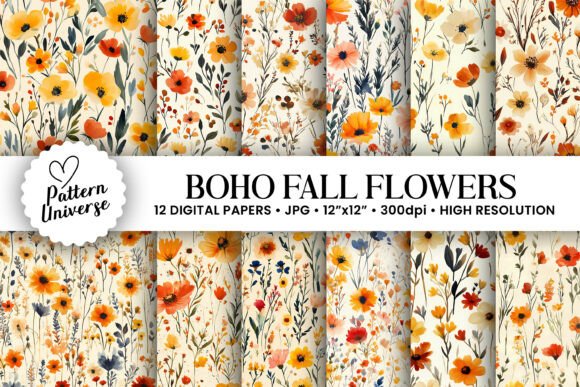
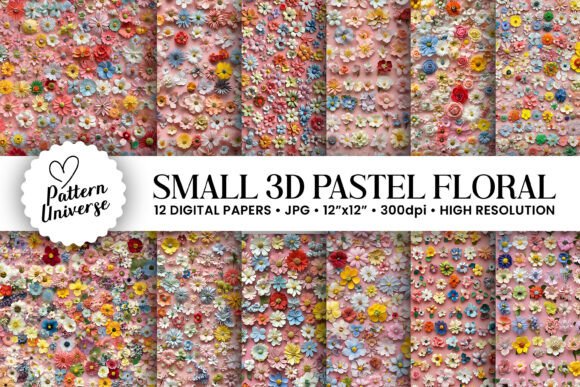
The practical value of this collection is significantly enhanced by its technical specifications. The inclusion of 12 unique digital papers within a single zip file provides ample variety for multi-project workflows. Each file is provided in high-resolution 300dpi at 3600 x 3600 pixels (12″ x 12″). This square format is standard in the scrapbooking and crafting community but is also highly versatile for web and print layouts. The 300dpi resolution meets the industry standard for offset printing, meaning files can be sent directly to printers without the risk of blurry or jagged edges.
For designers working in software like Adobe Photoshop, Illustrator, or Affinity Designer, these files integrate seamlessly into existing libraries. They can be dragged and dropped as fill layers, used as clipping masks, or adjusted for opacity to create watermarked effects. The fact that they are AI-generated ensures a certain level of geometric perfection and repeatability that can save time during the asset creation process. However, it is important to review the specific commercial licensing terms associated with the purchase. While many digital assets allow for end-product sales, understanding the scope of usage rights protects both the designer and the client from potential legal issues.
Ultimately, the Vintage Pink White Peony Floral Patterns collection is a testament to the power of thoughtful design assets. By offering a blend of aesthetic appeal, technical precision, and broad applicability, these patterns empower creators to produce work that stands out. Whether you are designing a luxurious wedding invitation suite, refreshing a brand’s social media presence, or simply enjoying the therapeutic process of junk journaling, these resources provide a reliable foundation for creativity. They remind us that good design is not just about what we see, but how we feel when we look at it—and in this case, the feeling is one of enduring elegance and quiet joy.