Watercolor Botanical Blooms Patterns: A Guide to Choosing and Using Them Effectively
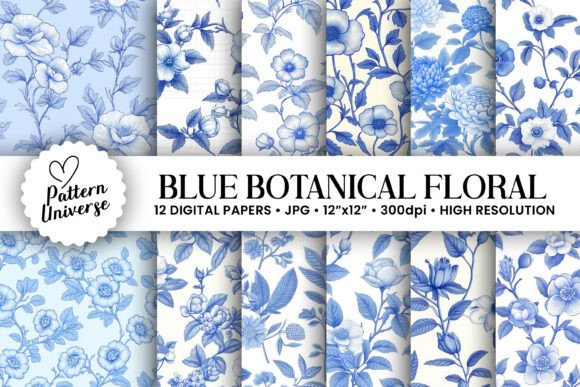
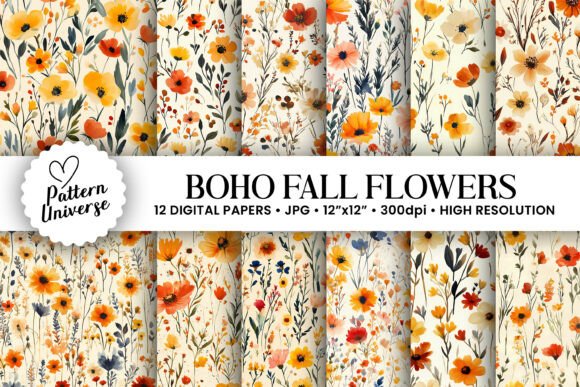
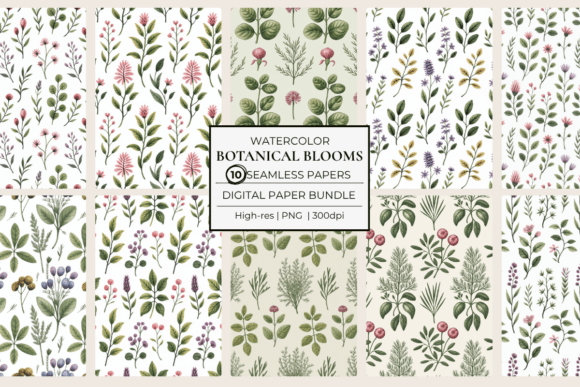
Watercolor Botanical Blooms Patterns are a versatile and elegant design asset for anyone looking to infuse their creative projects with the soft beauty of nature. These seamless patterns feature hand-painted florals, leafy stems, delicate petals, and airy textures that mimic traditional watercolor art. Ideal for both digital and print applications, they offer a timeless aesthetic that blends seamlessly into backgrounds without overwhelming the visual elements around them.
Why Watercolor Botanical Blooms Patterns Are Popular
Designers, entrepreneurs, and hobbyists often turn to these patterns because they bring a sense of warmth, sophistication, and natural charm. Whether you're working on wedding invitations, branding materials, or even wall art, Watercolor Botanical Blooms Patterns provide an organic feel that appeals across multiple design styles—from cottagecore to minimalist modern aesthetics.
Their popularity is also due to their adaptability. With gentle gradients and flowing lines, these patterns work well as subtle accents in logos, planners, and packaging. The 3:4 ratio PNG format ensures crisp details at any scale, making them suitable for both high-resolution printing and online use.
Common Mistakes When Selecting Watercolor Botanical Blooms Patterns
One common mistake is choosing a pattern without considering its intended use. For example, using a highly detailed botanical bloom in a small space like a greeting card can make the design look cluttered. Always evaluate how much detail your project can handle before selecting a pattern.
Another oversight is not checking the resolution and file format. While many designers assume all PNGs are high-quality, it's crucial to confirm that the files are indeed high-resolution (typically 300 DPI) and properly optimized for print or web. Low-res files may pixelate when scaled up, which can ruin the soft, elegant appearance of the watercolor effect.
Misunderstanding Seamless Tiling
A frequent misconception is thinking that "seamless" means the pattern will always look perfect when tiled. However, some designs may still show slight seams if not aligned correctly in software. Always preview the pattern on a large canvas or mockup to ensure it tiles smoothly in your specific layout.
How These Errors Impact Your Design Projects
- Cluttered visuals: Overly complex patterns can distract from the main message or focal point of your design, especially in branding or stationery where readability is key.
- Poor quality output: If the file isn’t high-resolution, printed materials may appear blurry or unprofessional, affecting customer perception and satisfaction.
- Visible tiling issues: Misaligned or poorly designed seamless patterns can break the illusion of continuity, leading to a less polished final product.
Practical Tips for Choosing the Right Pattern
To avoid these pitfalls, start by identifying the purpose of your design. Ask yourself: Will this be used for print or digital media? What size will it be displayed in? Who is the target audience?
For digital uses such as website headers or social media graphics, opt for lighter, more open patterns with soft colors. In contrast, printed items like cards or wrapping paper benefit from richer tones and slightly denser designs to maintain visibility under different lighting conditions.
Also, consider the style you want to convey. Modern botanical designs tend to have cleaner lines and muted palettes, while vintage-inspired blooms might include deeper hues and intricate detailing. Matching the pattern to your overall theme enhances cohesion and professionalism.
Realistic Example: Wedding Stationery
Imagine designing a set of wedding invitations. A busy floral pattern might overwhelm the couple’s names and event details. Instead, choose a Watercolor Botanical Blooms Pattern with scattered flowers and leaves in a soft pastel palette. This approach maintains elegance without sacrificing clarity.
Proper Application Techniques
Once you've selected the right pattern, applying it effectively is just as important. Many beginners apply the pattern at full opacity, which can make it too dominant. Try adjusting the opacity or blending mode to integrate the background more subtly with other design elements.
When using these patterns in graphic design software like Adobe Photoshop or Illustrator, always test how they interact with text and images. Use layer masks to hide parts of the pattern behind solid shapes or text boxes. This technique helps preserve legibility while still showcasing the beauty of the botanical design.
Tip: Combine with Solid Colors
Instead of using the pattern alone, pair it with a light base color—such as cream or pale pink—to create a balanced background. This method allows the pattern to remain visible without overpowering the rest of the design.
What to Check Before Downloading or Purchasing
Before committing to a purchase or download, verify the following:
- License type: Ensure the pattern is appropriate for your intended use—commercial, personal, or editorial. Some collections require attribution or restrict usage to non-commercial purposes.
- Resolution and file format: Confirm the files are delivered in high-resolution PNG format. Avoid JPEGs if you need transparency or sharp edges for digital overlays.
- Pattern density and complexity: Look for options that match the scale and needs of your project. High-density patterns are great for fabric or wallpaper but may not suit smaller layouts.
- Color customization: Some sellers allow you to recolor the pattern digitally. If not, check whether the original colors align with your brand or project palette.
Best Practices for Integrating Watercolor Botanical Blooms Patterns
Here’s how to maximize the impact of these patterns in your work:
- Use as overlays: Apply the pattern as a texture overlay rather than a primary background. This keeps your design clean and gives you more control over the final look.
- Pair with minimal typography: Elegant floral patterns work best with simple, readable fonts. Script or serif fonts can complement the softness of the watercolor style, while sans-serif fonts add a modern touch.
- Test on real-world mockups: Before finalizing your design, create a mockup of the finished product. How does the pattern look on a folded invitation or a wrapped gift box? Seeing it in context helps catch potential issues early.
Example: Branding Materials
If you're creating a logo for a wellness brand, try placing the Watercolor Botanical Blooms Pattern behind the logo text. Use a semi-transparent white shape to frame the text and keep the focus on the brand name while adding a hint of greenery for a calming effect.
Choosing Between Different Styles
Watercolor Botanical Blooms Patterns come in various styles, including cottagecore, vintage botanical, and minimalist. Each has its own unique appeal:
- Cottagecore: Features whimsical, dreamy compositions with soft pastels and romantic flourishes. Great for lifestyle blogs or handmade products.
- Vintage botanical: Mimics historical botanical illustrations with rich greens and brown tones. Ideal for book covers, packaging, or retro-themed projects.
- Minimalist: Offers sparse arrangements with clean lines and limited color schemes. Perfect for modern brands, planners, or digital content where subtlety is key.
Match the pattern style to your project's tone and audience. A vintage-style pattern might feel out of place in a tech startup's marketing materials, while a minimalist design could lose its charm in a bohemian fashion collection.
Where to Use These Patterns Best
These patterns shine in the following areas:
- Wedding stationery and event invitations
- Journaling and planner backgrounds
- Sublimation prints for mugs, tumblers, and apparel
- Greeting cards and scrapbooking
- Branding and packaging for eco-friendly or artisanal products
- Wall art and home décor prints
For instance, a boutique skincare company might use a Watercolor Botanical Blooms Pattern as a repeating background on their product labels to evoke a natural, artisanal vibe. Similarly, a blogger might incorporate a subtle version into their newsletter header to add visual interest without distracting readers.
Better Approach: Layering and Scaling
Rather than using the pattern as-is, experiment with scaling it down or cropping to highlight certain elements. You can also blend it with other textures or gradients to create a custom look. This level of customization makes your design stand out and avoids generic results.
Final Thoughts on Smart Usage
Watercolor Botanical Blooms Patterns are a powerful tool for enhancing your creative projects—but only if used thoughtfully. By avoiding common mistakes like mismatched styles, low-resolution files, or poor tiling alignment, you can ensure your designs remain professional and visually appealing.
Take time to assess your needs, test the patterns in context, and consider how they’ll perform across different mediums. With the right approach, these elegant floral backgrounds can elevate your work and help you connect with your audience through the timeless beauty of nature-inspired design.